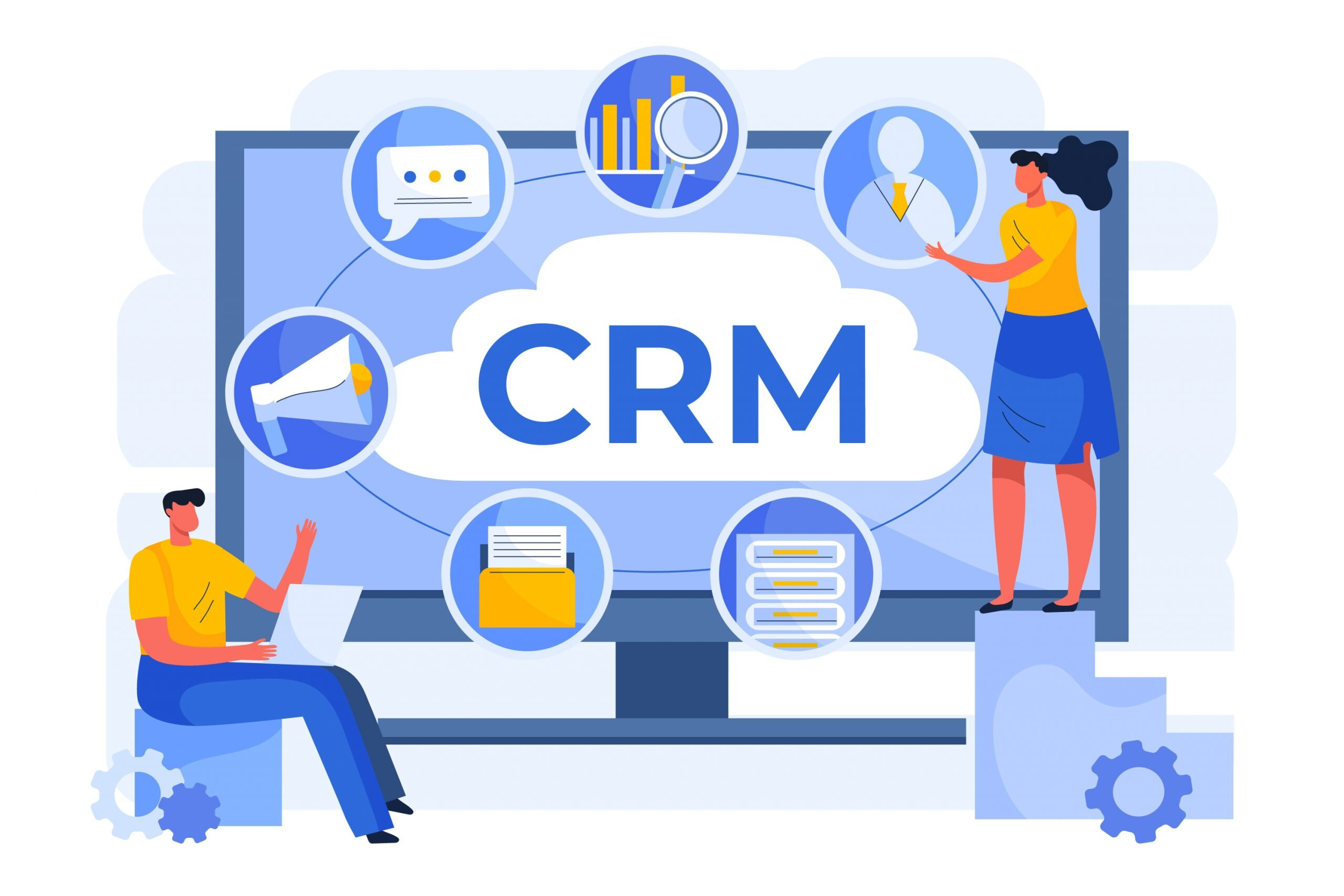
Reselling CRM Software: The Key to Successful Sales Management
Welcome to the world of reselling CRM software, where successful sales management is just a few steps away. As businesses strive to streamline their operations and improve customer relationships, the demand for CRM software is higher than ever. By understanding the key components of CRM software and effectively reselling it to your clients, you can help them achieve their sales goals and enhance their overall performance. Let’s dive into the world of reselling CRM software and learn how it can be the game-changer your clients have been looking for.
Understanding the Role of Reseller CRM
Reseller CRM, or Customer Relationship Management, plays a vital role in businesses that operate through reseller channels. This software helps companies manage their relationships with resellers, track sales, and monitor customer interactions. By utilizing a reseller CRM system, businesses can streamline their operations, improve communication, and ultimately increase sales.
One of the key functions of reseller CRM is to track sales and monitor performance. The software allows businesses to keep track of sales made by their resellers, analyze trends, and identify areas for improvement. This data is essential for making informed decisions and developing effective sales strategies. By having access to real-time sales data, businesses can better forecast demand, allocate resources, and optimize their marketing efforts.
In addition to tracking sales, reseller CRM also enables businesses to manage their relationships with resellers effectively. The software provides a centralized platform for communicating with resellers, sharing information, and collaborating on marketing campaigns. This streamlines communication processes, reduces the risk of misunderstandings, and ensures that all parties are on the same page.
Furthermore, reseller CRM helps businesses monitor customer interactions and gather valuable insights. By tracking customer behavior, preferences, and feedback, businesses can tailor their offerings to meet customer needs and expectations. This personalized approach not only increases customer satisfaction but also fosters loyalty and repeat business.
Another important role of reseller CRM is to automate routine tasks and improve productivity. The software can handle repetitive tasks such as sending emails, updating contact information, and generating reports. This frees up time for employees to focus on more strategic tasks, such as developing customer relationships, closing deals, and developing new business opportunities.
Moreover, reseller CRM provides businesses with a comprehensive view of their sales pipeline and performance. By analyzing sales data, businesses can identify trends, forecast future sales, and track the effectiveness of their marketing campaigns. This insight is invaluable for adjusting strategies, setting targets, and measuring success.
Overall, reseller CRM plays a crucial role in helping businesses manage their relationships with resellers, track sales, and monitor customer interactions. By leveraging the power of this software, businesses can streamline their operations, improve communication, and ultimately increase sales.
Benefits of Using a Reseller CRM Platform
As a reseller, using a CRM platform can bring many advantages to your business. Not only does it help you manage your customer relationships more effectively, but it also streamlines your sales process and boosts your overall efficiency. Here are some of the key benefits of using a reseller CRM platform:
1. Improved Customer Relationships: One of the main benefits of using a reseller CRM platform is the ability to improve your customer relationships. By tracking customer interactions, storing important contact information, and analyzing customer data, you can better understand your customers’ needs and preferences. This allows you to tailor your sales approach to meet their specific requirements, leading to more successful sales and satisfied customers.
2. Enhanced Sales Process: A reseller CRM platform can also help streamline your sales process. By keeping track of leads, opportunities, and deals in one centralized system, you can easily manage your sales pipeline and prioritize your tasks. This allows you to focus on the most promising opportunities, follow up with leads in a timely manner, and close deals faster. Additionally, many CRM platforms offer automated workflows and reminders, helping you stay organized and on top of your sales activities.
3. Increased Efficiency: Using a reseller CRM platform can greatly increase your efficiency as a reseller. By automating repetitive tasks, such as data entry and follow-up emails, you can save valuable time and focus on more important activities, such as selling and building relationships. Additionally, a CRM platform can provide valuable insights into your sales performance, allowing you to identify areas for improvement and make informed decisions to drive your business forward.
4. Better Collaboration: Another benefit of using a reseller CRM platform is the improved collaboration it can bring to your team. By sharing customer data, sales notes, and progress updates in real-time, team members can work together more effectively and coordinate their efforts towards common goals. This not only leads to a more cohesive and productive team but also ensures that everyone is on the same page when it comes to managing customer relationships and closing deals.
5. Scalability: As your reseller business grows, you need a CRM platform that can grow with you. Most reseller CRM platforms are designed to be scalable, meaning they can accommodate the needs of your business as it expands. Whether you need to add more users, customize your CRM to fit your specific requirements, or integrate with other tools and systems, a reseller CRM platform can provide the flexibility and scalability you need to support your growing business.
In conclusion, using a reseller CRM platform can bring numerous benefits to your business, from improved customer relationships and enhanced sales processes to increased efficiency, better collaboration, and scalability. By leveraging the power of a CRM platform, you can take your reseller business to the next level and achieve greater success in today’s competitive market.
Key Features to Look for in a Reseller CRM
When considering a reseller CRM, there are several key features that you should look for to ensure that the software meets your specific needs and requirements. These features can vary depending on the size and scope of your reselling business, but there are some basic elements that are essential for any successful CRM platform. Here are some key features to look for in a reseller CRM:
1. Customization Options: One of the most important features to consider in a reseller CRM is the ability to customize the software to fit your specific business needs. This includes the ability to add or remove features, create custom fields, and tailor the user interface to match your branding. A CRM that offers robust customization options will allow you to create a system that works seamlessly with your existing processes and workflows.
2. Integration Capabilities: Another crucial feature to look for in a reseller CRM is integration capabilities. Your CRM should be able to seamlessly integrate with other business software that you use, such as accounting software, email marketing platforms, and e-commerce tools. This will enable you to streamline your processes and ensure that all of your data is centralized and accessible in one place.
3. Reporting and Analytics: A reseller CRM that offers robust reporting and analytics capabilities can provide invaluable insights into your business performance and customer interactions. Look for a CRM that offers a variety of pre-built reports as well as the ability to create custom reports based on your specific metrics and KPIs. This will allow you to track your sales pipeline, monitor customer engagement, and make data-driven decisions to drive growth and profitability in your reselling business.
4. Mobile Accessibility: In today’s fast-paced business environment, it’s essential to have access to your CRM on the go. Look for a reseller CRM that offers mobile accessibility, either through a dedicated mobile app or a responsive web interface. This will allow you to access your CRM anytime, anywhere, and stay connected to your business no matter where you are.
5. Scalability: As your reselling business grows, your CRM needs to be able to grow with you. Look for a CRM that is scalable and can accommodate the increased demands of your business as you acquire more customers, products, and sales channels. Scalability ensures that your CRM remains a valuable tool for your business as it evolves and expands.
By considering these key features when evaluating a reseller CRM, you can choose a platform that meets your specific needs and helps you effectively manage and grow your reselling business. Take the time to research and demo different CRM options to find the best fit for your business, and you’ll be on your way to maximizing efficiency and driving success in your reseller operations.
How to Choose the Right Reseller CRM for Your Business
Choosing the right reseller CRM for your business is a crucial decision that can have a significant impact on your operations and success. There are various factors to consider when selecting a reseller CRM, and it’s essential to take the time to evaluate your needs and goals to find the best fit for your business. Here are some tips on how to choose the right reseller CRM for your business:
1. Define Your Needs: Before you start looking at different reseller CRMs, take the time to define your needs and goals. Consider what features are essential for your business, such as lead management, sales automation, customer support, or marketing tools. Make a list of must-have features and prioritize them based on your business requirements.
2. Consider Scalability: As your business grows, you’ll need a reseller CRM that can scale with you. Look for a CRM that offers scalability and can accommodate your business’s growth without the need for constant upgrades or additional costs. Consider factors such as user limits, database size, and integration options when evaluating scalability.
3. Evaluate Integration Capabilities: Integration with other tools and software is crucial for maximizing the efficiency and effectiveness of your reseller CRM. Consider what integrations are important for your business, such as email marketing platforms, accounting software, or e-commerce platforms. Look for a CRM that offers a wide range of integration options or the ability to customize integrations to meet your needs.
4. Check User-Friendliness: A user-friendly interface is essential for ensuring that your team can easily adopt and use the reseller CRM. Look for a CRM that offers a clean and intuitive interface, with straightforward navigation and customizable features. Consider conducting a demo or trial of the CRM to see firsthand how user-friendly it is and how it fits with your team’s workflow.
5. Evaluate Customer Support: Good customer support is crucial for ensuring that your reseller CRM runs smoothly and that any issues or questions are addressed promptly. Consider the level of customer support offered by the CRM provider, such as phone support, email support, live chat, or online resources. Look for a provider that offers responsive and knowledgeable customer support to help you get the most out of your CRM.
6. Consider Pricing: Finally, consider the pricing structure of the reseller CRM and how it fits with your budget. Look for a CRM that offers transparent pricing with no hidden fees or unexpected costs. Consider factors such as subscription plans, add-on features, and contract terms when evaluating pricing. Remember that the cheapest option may not always be the best choice if it doesn’t meet your needs or provide the level of support you require.
By following these tips, you can choose the right reseller CRM for your business and set yourself up for success. Take the time to evaluate your needs, test different options, and consider factors such as scalability, integration, user-friendliness, customer support, and pricing to find the best fit for your business.
Best Practices for Implementing a Reseller CRM Solution
Implementing a reseller CRM solution can be a game-changer for your business, but it is important to follow best practices to ensure a successful implementation. Here are some key tips to keep in mind:
1. Define Your Goals and Objectives: Before implementing a reseller CRM solution, it is important to clearly define your goals and objectives. What do you hope to achieve with the CRM system? Are you looking to increase sales, improve customer satisfaction, or streamline processes? By identifying your goals upfront, you can tailor the CRM system to meet your specific needs.
2. Choose the Right CRM Solution: With so many reseller CRM solutions on the market, it is important to choose the one that best fits your business requirements. Consider factors such as the size of your business, industry-specific features, and integration capabilities. It may be helpful to consult with CRM experts or seek recommendations from other businesses in your industry.
3. Train Your Team: One of the most important factors in a successful CRM implementation is training your team on how to use the system effectively. Make sure to provide thorough training sessions for all employees who will be using the CRM system. This will help ensure that everyone is on the same page and using the system to its full potential.
4. Customize and Configure the CRM System: To get the most out of your reseller CRM solution, it is important to customize and configure it to meet your specific needs. This may involve setting up custom fields, creating workflows, and integrating with other software systems. Take the time to tailor the CRM system to align with your business processes.
5. Implement a Data Migration Strategy: When implementing a reseller CRM solution, it is crucial to have a solid data migration strategy in place. This involves transferring all of your existing customer data from your current system to the new CRM platform. It is essential to ensure data accuracy and consistency throughout the migration process.
Start by conducting a thorough audit of your existing data to identify any inconsistencies or duplicates. Clean up your data to ensure that only relevant and accurate information is transferred to the new CRM system. Consider using data migration tools or seeking assistance from CRM experts to streamline the process.
It is also important to test the migrated data to ensure that it is being accurately transferred to the new CRM system. Conduct test runs and quality checks to identify any issues or discrepancies that need to be addressed. By having a solid data migration strategy in place, you can ensure a smooth transition to your new reseller CRM solution.