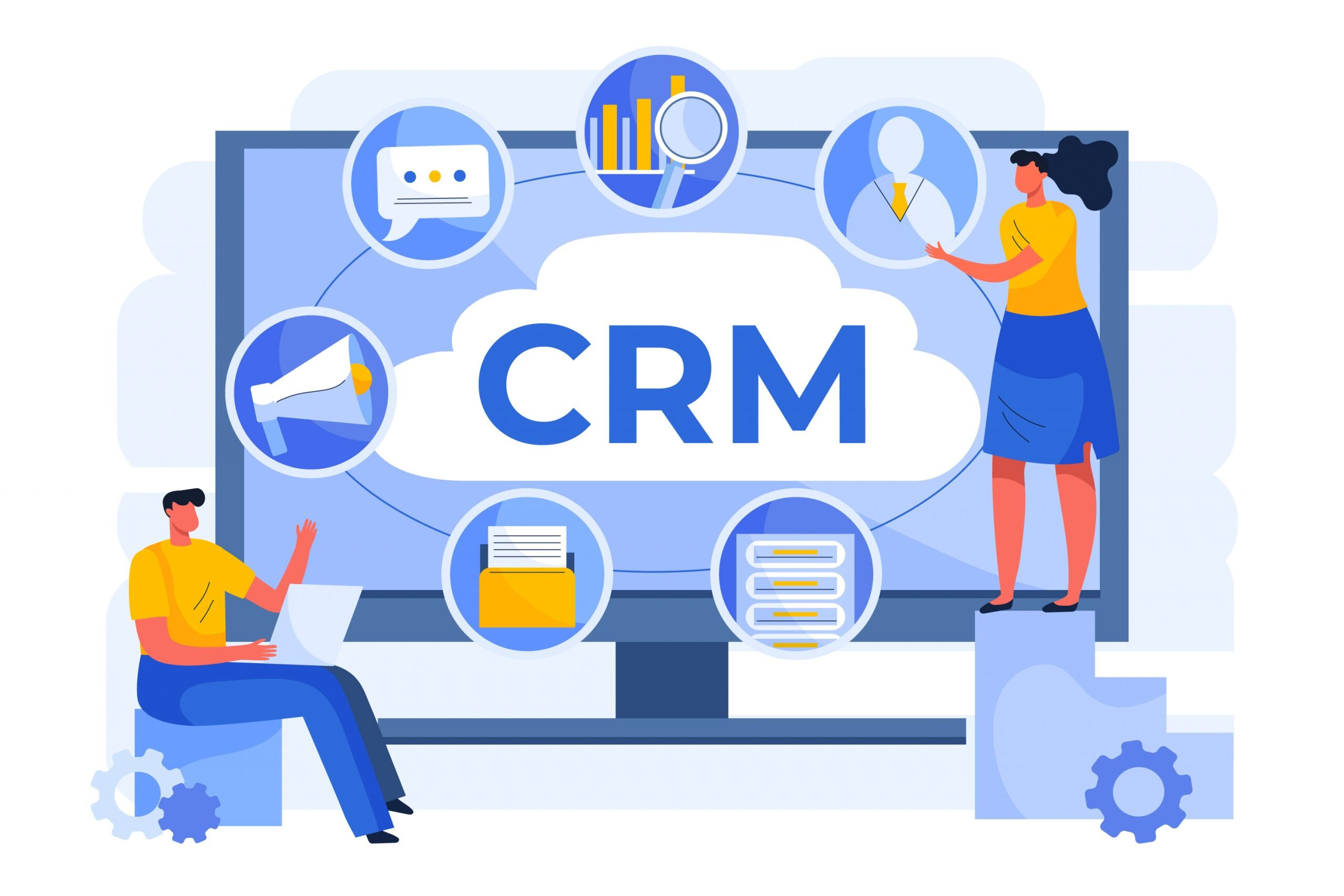
Welcome to a world where customer relationships are the key to success in any business endeavor. With Iris CRM, you can take your customer interactions to the next level and maximize your potential for growth. Whether you’re a small business owner or a seasoned sales professional, Iris CRM has the tools and resources to help you build and maintain strong connections with your clients. Say goodbye to scattered notes and missed opportunities, and hello to a streamlined approach that puts your customers front and center.
Introduction to Iris CRM
Iris CRM is a comprehensive customer relationship management (CRM) software that is specifically designed for businesses of all sizes. This powerful tool helps businesses to manage their relationships with customers, improve sales performance, and streamline business operations. With Iris CRM, businesses can track customer interactions, monitor sales activities, and analyze data to make informed decisions.
One of the key features of Iris CRM is its ability to centralize customer information in one platform. This allows businesses to have a complete view of their customers, including their contact information, purchase history, and interactions with the company. By having all this information in one place, businesses can improve customer service, personalize marketing campaigns, and ultimately increase customer loyalty.
In addition to managing customer information, Iris CRM also offers advanced reporting and analytics tools. These tools allow businesses to track sales performance, measure the effectiveness of marketing campaigns, and identify areas for improvement. By analyzing data and generating reports, businesses can make data-driven decisions that will help them achieve their sales and marketing goals.
Another key feature of Iris CRM is its integration capabilities. Iris CRM can be easily integrated with other business tools and platforms, such as email marketing software, accounting software, and e-commerce platforms. This seamless integration allows businesses to streamline their operations, improve efficiency, and make the most of their CRM software.
Iris CRM also offers automation features that help businesses save time and increase productivity. With features such as automated email campaigns, task reminders, and lead scoring, businesses can automate repetitive tasks and focus on more important activities. By automating key processes, businesses can improve efficiency, reduce manual errors, and ultimately drive growth.
Overall, Iris CRM is a powerful tool that can help businesses of all sizes improve their customer relationships, increase sales performance, and streamline business operations. With its centralized customer information, advanced reporting tools, integration capabilities, and automation features, Iris CRM is a comprehensive solution for businesses looking to take their customer relationships to the next level.
Key Features of Iris CRM
Iris CRM is a powerful customer relationship management system that offers a wide range of features to help businesses streamline their operations and improve customer satisfaction. Some of the key features of Iris CRM include:
1. Lead Management: Iris CRM allows businesses to easily track and manage leads from initial contact through to conversion. The software provides a centralized platform for storing and organizing lead information, making it easy for sales teams to prioritize leads and follow up with them in a timely manner.
2. Automated Email Campaigns: One of the standout features of Iris CRM is its ability to automate email campaigns. This feature allows businesses to create personalized email sequences that are sent out to leads and customers at specific intervals. Businesses can set up triggers based on customer behavior, ensuring that they receive relevant and timely communications. This feature not only saves time for the sales and marketing teams but also helps to improve engagement and conversion rates.
3. Sales Pipeline Management: With Iris CRM, businesses can easily monitor and manage their sales pipeline. The software provides a visual representation of the sales process, allowing teams to track the progress of deals from initial contact to close. This feature helps businesses to identify bottlenecks in the sales process and make adjustments to improve efficiency and effectiveness.
4. Reporting and Analytics: Iris CRM offers robust reporting and analytics tools that allow businesses to track key performance metrics and gain valuable insights into their sales process. The software provides customizable reports that can be used to monitor sales performance, track customer interactions, and identify trends and opportunities for growth.
5. Task Management: Iris CRM includes a task management feature that helps teams stay organized and on track. Users can create tasks, set deadlines, and assign tasks to team members, ensuring that nothing falls through the cracks. This feature also allows teams to collaborate and communicate within the platform, making it easy to coordinate efforts and ensure that tasks are completed on time.
6. Integration Capabilities: Iris CRM integrates seamlessly with a wide range of third-party applications, allowing businesses to streamline their workflows and get the most out of their existing tools. Integration capabilities include popular tools such as Outlook, Gmail, and Slack, as well as industry-specific applications that cater to specific business needs.
Overall, Iris CRM offers a comprehensive set of features that are designed to help businesses improve their customer relationships, streamline their operations, and drive sales growth. Whether you are a small business looking to scale up your operations or a large enterprise seeking to optimize your sales process, Iris CRM has the tools and capabilities to help you achieve your goals.
Benefits of Using Iris CRM
As a salesperson or business owner, utilizing a Customer Relationship Management (CRM) software like Iris CRM can provide numerous benefits to streamline your operations and increase productivity. Here are some of the key advantages of using Iris CRM:
1. Improved Efficiency: One of the biggest benefits of using Iris CRM is the improved efficiency it offers in managing customer relationships. With features such as contact management, task tracking, and automated workflows, Iris CRM helps you stay organized and easily track your interactions with clients. This allows you to prioritize tasks, follow up with leads promptly, and ensure that no potential opportunities slip through the cracks.
2. Centralized Data: With Iris CRM, all customer information, communication history, and sales data are stored in one centralized location. This allows your entire team to access and update information in real-time, ensuring that everyone is on the same page. Having a single source of truth eliminates the need for manual data entry across multiple platforms, reducing the risk of errors and duplicate records.
3. Enhanced Reporting and Analytics: Another significant benefit of using Iris CRM is the robust reporting and analytics capabilities it offers. The platform provides customizable dashboards and reports that allow you to track key performance metrics, sales trends, and customer behavior. By analyzing this data, you can gain valuable insights into your sales process, identify areas for improvement, and make informed decisions to drive business growth.
Furthermore, Iris CRM’s advanced analytics tools can help you forecast sales projections, measure the effectiveness of marketing campaigns, and track the performance of individual sales representatives. This data-driven approach enables you to optimize your sales strategy, allocate resources more efficiently, and ultimately improve your bottom line.
4. Customizable Workflows: Iris CRM offers customizable workflows that allow you to automate repetitive tasks and streamline your sales processes. By creating automated workflows for lead nurturing, email campaigns, and follow-up reminders, you can save time and effort while maintaining consistency in your communication with clients. This ensures that no potential lead is overlooked and that every interaction is timely and personalized.
5. Integration with Third-Party Apps: Iris CRM integrates seamlessly with a variety of third-party applications, such as email marketing platforms, accounting software, and social media tools. This integration enables you to sync data across multiple platforms, eliminate the need for manual data entry, and enhance the overall functionality of your CRM system. By connecting Iris CRM with your existing tools and systems, you can create a more cohesive and efficient workflow that boosts productivity and improves collaboration within your team.
In conclusion, the benefits of using Iris CRM are clear: improved efficiency, centralized data management, enhanced reporting and analytics, customizable workflows, and seamless integration with third-party apps. By leveraging these features, you can streamline your sales process, increase productivity, and achieve greater success in managing your customer relationships.
How Iris CRM Improves Customer Relationships
Customer relationships are essential for any business to thrive and grow. A CRM software like Iris CRM can play a crucial role in improving these relationships by streamlining communication, enhancing customer service, and providing valuable insights into customer behavior. Here are four ways Iris CRM can help businesses improve their customer relationships:
1. Centralized Customer Data: One of the key features of CRM software like Iris CRM is the ability to centralize customer data. This means that all interactions, transactions, and communications with a customer are stored in one place, making it easy for anyone in the organization to access and understand the customer’s history. With all relevant information at their fingertips, employees can provide personalized service and anticipate customer needs.
2. Improved Communication: Effective communication is vital for building strong customer relationships. Iris CRM allows businesses to streamline communication by automating tasks such as sending personalized emails, scheduling follow-up calls, and tracking customer interactions. By staying in touch with customers regularly and consistently, businesses can ensure that customers feel valued and engaged.
3. Enhanced Customer Service: Excellent customer service is key to retaining customers and fostering loyalty. Iris CRM enables businesses to provide superior customer service by offering features such as ticketing systems, knowledge bases, and customer portals. These tools help businesses resolve customer issues quickly and efficiently, leading to higher customer satisfaction levels.
4. Data Analytics and Reporting: In addition to streamlining communication and enhancing customer service, Iris CRM also provides businesses with valuable insights into customer behavior through data analytics and reporting tools. By analyzing customer data such as purchase history, preferences, and interactions, businesses can gain a better understanding of their customers’ needs and preferences. This allows businesses to tailor their products and services to meet these needs effectively.
Furthermore, data analytics can help businesses identify trends and patterns in customer behavior, allowing them to predict future buying patterns and preemptively address any issues that may arise. This proactive approach to customer relationship management can help businesses stay ahead of the competition and retain customers in the long run.
In conclusion, Iris CRM offers a range of features and tools that can help businesses improve their customer relationships. By centralizing customer data, streamlining communication, enhancing customer service, and providing valuable insights through data analytics, Iris CRM enables businesses to build strong, lasting relationships with their customers. Implementing a CRM software like Iris CRM can have a significant impact on customer satisfaction, retention, and loyalty, ultimately leading to increased revenue and business growth.
Best Practices for Implementing Iris CRM
Implementing a new CRM system can be a daunting task, but with the right approach and preparation, you can ensure a smooth transition and maximize the benefits of using Iris CRM. Here are some best practices to consider when implementing Iris CRM:
1. Define Your Objectives
Before you begin the implementation process, it’s important to clearly define your objectives and goals for using Iris CRM. What do you hope to achieve with this new system? Are you looking to improve customer relationships, streamline your sales process, or increase productivity? By clearly outlining your objectives, you can tailor the implementation process to meet your specific needs.
2. Involve Key Stakeholders
It’s essential to involve key stakeholders in the implementation process to ensure buy-in and support for the new system. This includes not only upper management and IT personnel but also end-users who will be using Iris CRM on a daily basis. By involving all relevant parties from the beginning, you can address any concerns or challenges early on and ensure a successful implementation.
3. Customize the System to Fit Your Business Needs
While Iris CRM offers a wide range of features and functionalities out of the box, it’s important to customize the system to fit your specific business needs. Take the time to configure the software, set up workflows, and integrate any existing tools or systems to maximize the benefits of using Iris CRM. By tailoring the system to your unique requirements, you can enhance efficiency and productivity within your organization.
4. Provide Adequate Training and Support
One of the key factors in the successful implementation of Iris CRM is providing adequate training and support to end-users. Ensure that your team receives comprehensive training on how to use the system, including any new processes or workflows that have been implemented. Additionally, offer ongoing support and resources to help users troubleshoot any issues and maximize their use of Iris CRM.
5. Monitor and Evaluate Performance Regularly
Once Iris CRM is up and running, it’s important to regularly monitor and evaluate its performance to ensure that it is meeting your objectives and delivering the expected results. Track key metrics such as user adoption rates, customer satisfaction, and sales performance to gauge the effectiveness of the system. Use this data to identify any areas for improvement or optimization and make adjustments as needed to maximize the benefits of using Iris CRM.