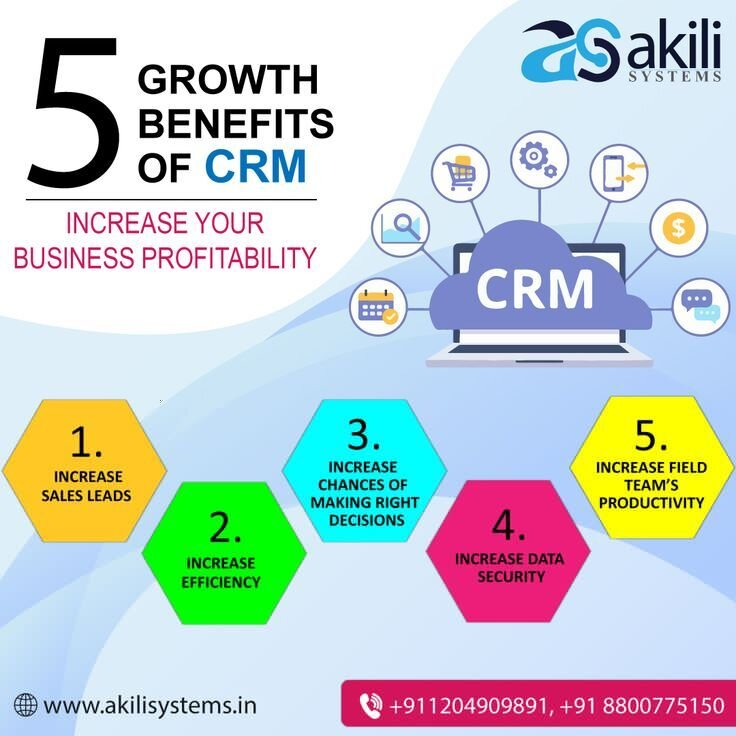
Welcome, dear reader, to an exploration of the crucial role that CRM resellers play in enhancing and maximizing customer relationships. CRM (Customer Relationship Management) resellers are key players in the business world, helping companies improve communication, streamline processes, and ultimately, boost customer satisfaction. By providing companies with the tools and technologies they need to better understand and connect with their customers, CRM resellers play a vital role in ensuring long-lasting and fruitful relationships with clients.
Benefits of partnering with CRM resellers
Partnering with CRM resellers can offer a wide range of benefits for businesses looking to enhance their customer relationship management strategies. One of the main advantages of working with a CRM reseller is the expertise and knowledge that they bring to the table. These resellers are often highly skilled in implementing and customizing CRM solutions, which can save businesses time and resources that would have been spent on training internal staff or hiring external consultants.
Additionally, CRM resellers often have access to the latest technology and innovation in the CRM industry, giving their partners a competitive edge in the market. By working with a reseller, businesses can stay up-to-date with the newest features and functionalities of CRM systems, ensuring that they are always using the most effective tools for managing their customer relationships.
Another benefit of partnering with CRM resellers is the ongoing support and maintenance that they provide. These resellers typically offer training sessions, technical support, and system updates to ensure that their partners are getting the most out of their CRM solution. This level of support can help businesses optimize their CRM processes and make the most of their investment in CRM technology.
Furthermore, partnering with CRM resellers can provide businesses with access to a wider network of resources and connections within the CRM industry. These resellers often have partnerships with other technology vendors, consultants, and service providers, which can be valuable for businesses looking to expand their CRM capabilities or integrate their CRM system with other business solutions.
Lastly, working with a CRM reseller can offer businesses greater flexibility and scalability in their CRM implementation. Resellers can tailor their services to meet the specific needs and requirements of each business, ensuring that the CRM solution is a perfect fit for their operations. Additionally, as businesses grow and evolve, resellers can provide additional services and support to help them scale their CRM system accordingly. This flexibility is essential for businesses that are looking to adapt their CRM strategy to meet changing market conditions and customer demands.
How to choose the right CRM reseller for your business
Choosing the right CRM reseller for your business is a crucial decision that can significantly impact the success of your CRM implementation. There are several factors to consider when selecting a CRM reseller to ensure they are the right fit for your business needs.
1. Industry Experience:
One of the most important factors to consider when choosing a CRM reseller is their industry experience. Look for a reseller that has experience working with businesses in your specific industry. This will ensure that they understand your unique business requirements and can tailor the CRM solution to meet your needs.
2. Customization and Integration Capabilities:
When choosing a CRM reseller, it is important to consider their customization and integration capabilities. A good CRM reseller should be able to customize the CRM solution to align with your business processes and workflows. They should also have experience integrating the CRM system with other business applications, such as your ERP system or marketing automation platform. This will ensure seamless data flow and automation across your organization.
3. Support and Training:
Another important factor to consider when selecting a CRM reseller is the level of support and training they provide. A good CRM reseller should offer comprehensive training for your team to ensure they are proficient in using the CRM system. They should also provide ongoing support to help troubleshoot any issues that may arise and ensure the smooth operation of the CRM solution.
4. Scalability:
It is important to choose a CRM reseller that offers a scalable solution that can grow with your business. Make sure the CRM system can accommodate your current business needs as well as future growth. This will help you avoid the need to switch to a new CRM system down the line as your business expands.
5. Reputation and References:
Before selecting a CRM reseller, be sure to research their reputation in the industry. Look for reviews and testimonials from other clients to get a sense of their track record. Additionally, ask the reseller for references from past clients so you can get firsthand feedback on their performance and customer satisfaction.
Choosing the right CRM reseller for your business is a decision that should not be taken lightly. By considering factors such as industry experience, customization capabilities, support and training, scalability, and reputation, you can select a CRM reseller that will help you achieve success with your CRM implementation.
Challenges faced by CRM resellers in today’s market
CRM resellers face a myriad of challenges in today’s competitive market. One of the major challenges is the increasing competition from other resellers and vendors offering similar CRM solutions. With a saturation of CRM resellers in the market, standing out and attracting customers becomes increasingly difficult. Resellers must find ways to differentiate themselves from their competitors and highlight the unique value they can provide to potential clients.
Another significant challenge for CRM resellers is keeping up with rapidly evolving technology and customer expectations. As technology continues to advance at a rapid pace, resellers must constantly update their knowledge and skills to stay relevant in the market. They need to stay informed about the latest CRM trends, features, and functionalities in order to effectively meet the changing needs of their clients.
Additionally, CRM resellers often face challenges related to pricing and profitability. With fierce competition driving prices down, resellers may find it challenging to maintain margins while offering competitive pricing to attract customers. In order to remain profitable, resellers must find ways to streamline their operations, reduce costs, and optimize their pricing strategies.
Moreover, CRM resellers also struggle with customer retention and loyalty in today’s market. With customers having access to a wide range of CRM options, resellers need to work harder to retain their existing clients and build long-term relationships. Providing exceptional customer service, offering ongoing support and training, and continuously adding value to the CRM solutions they provide are essential for retaining customers in a competitive market.
Furthermore, CRM resellers face challenges related to adapting to changing market trends and demands. As customer preferences and business needs evolve, resellers must be agile and responsive in order to meet these changing demands. This requires a deep understanding of the market, the ability to anticipate trends, and the flexibility to adapt their offerings and strategies accordingly.
In conclusion, CRM resellers face a multitude of challenges in today’s market, from fierce competition and technological advancements to pricing pressures and customer retention issues. By staying informed, adapting to change, and continuously adding value to their offerings, CRM resellers can overcome these challenges and thrive in a competitive market.
Strategies for success as a CRM reseller
As a CRM reseller, there are several key strategies you can implement to ensure success in your business. Here are some tips to help you maximize your potential and stand out in the competitive CRM market:
1. Understand your target market: One of the most important strategies for success as a CRM reseller is to have a clear understanding of your target market. This includes knowing the specific needs and pain points of your potential customers, as well as understanding the trends and challenges within the CRM industry. By knowing your target market inside and out, you can tailor your products and services to meet their specific needs, increasing your chances of success.
2. Offer value-added services: In a crowded market, it’s important to differentiate yourself from competitors by offering value-added services to your customers. This could include providing training and support, customizing CRM solutions to fit specific business needs, or offering ongoing maintenance and upgrades. By going above and beyond to provide added value to your customers, you can build strong relationships and earn customer loyalty.
3. Build strong partnerships: Another strategy for success as a CRM reseller is to build strong partnerships with CRM software vendors and other industry players. By forming strategic alliances with key players in the CRM market, you can access valuable resources, expertise, and support that can help you grow your business. Partnering with established CRM software vendors can also lend credibility to your business and increase your visibility in the market.
4. Invest in marketing and branding: One of the most crucial strategies for success as a CRM reseller is investing in marketing and branding efforts to promote your business and attract new customers. This could include creating a strong online presence through a professional website and social media profiles, developing targeted marketing campaigns to reach your ideal customers, and investing in advertising and promotional activities to raise awareness of your brand. By investing in marketing and branding, you can increase your visibility in the market and attract more potential customers to your business.
The future of CRM resellers in the digital age
CRM resellers play a crucial role in helping businesses implement and maximize the potential of customer relationship management (CRM) software. As we move further into the digital age, the role of CRM resellers is evolving to meet the changing needs and demands of businesses seeking to optimize their customer relationships. Here are five key trends that are shaping the future of CRM resellers in the digital age:
1. Emphasis on Data Security and Privacy
In the wake of high-profile data breaches and increased concerns about privacy, businesses are placing a greater emphasis on data security and privacy when selecting CRM solutions. CRM resellers will need to stay informed about the latest data security regulations and best practices to help their clients protect their customer data and maintain compliance.
2. Integration with Artificial Intelligence
Artificial intelligence (AI) is increasingly being integrated into CRM software to help businesses automate tasks, analyze data, and personalize customer interactions. CRM resellers will need to understand how AI capabilities can benefit their clients and help them implement and customize AI-powered CRM solutions to meet their specific needs.
3. Focus on User Experience
In the digital age, user experience is more important than ever. Businesses are looking for CRM solutions that are intuitive, easy to use, and provide a seamless experience across devices. CRM resellers will need to work closely with their clients to ensure that the CRM software they recommend is user-friendly and meets their specific usability requirements.
4. Rise of Cloud-Based Solutions
Cloud-based CRM solutions are becoming increasingly popular due to their flexibility, scalability, and cost-effectiveness. CRM resellers will need to familiarize themselves with various cloud-based CRM platforms and help their clients migrate from on-premises systems to cloud-based solutions to leverage the benefits of the cloud.
5. Shift towards Subscription-Based Models
One of the key trends shaping the future of CRM resellers is the shift towards subscription-based pricing models. Instead of making a one-time software purchase, businesses are increasingly opting for subscription-based pricing models that offer greater flexibility and scalability. CRM resellers will need to explore different subscription options, help their clients choose the right pricing plan, and provide ongoing support and training to ensure maximum value from their CRM investment.