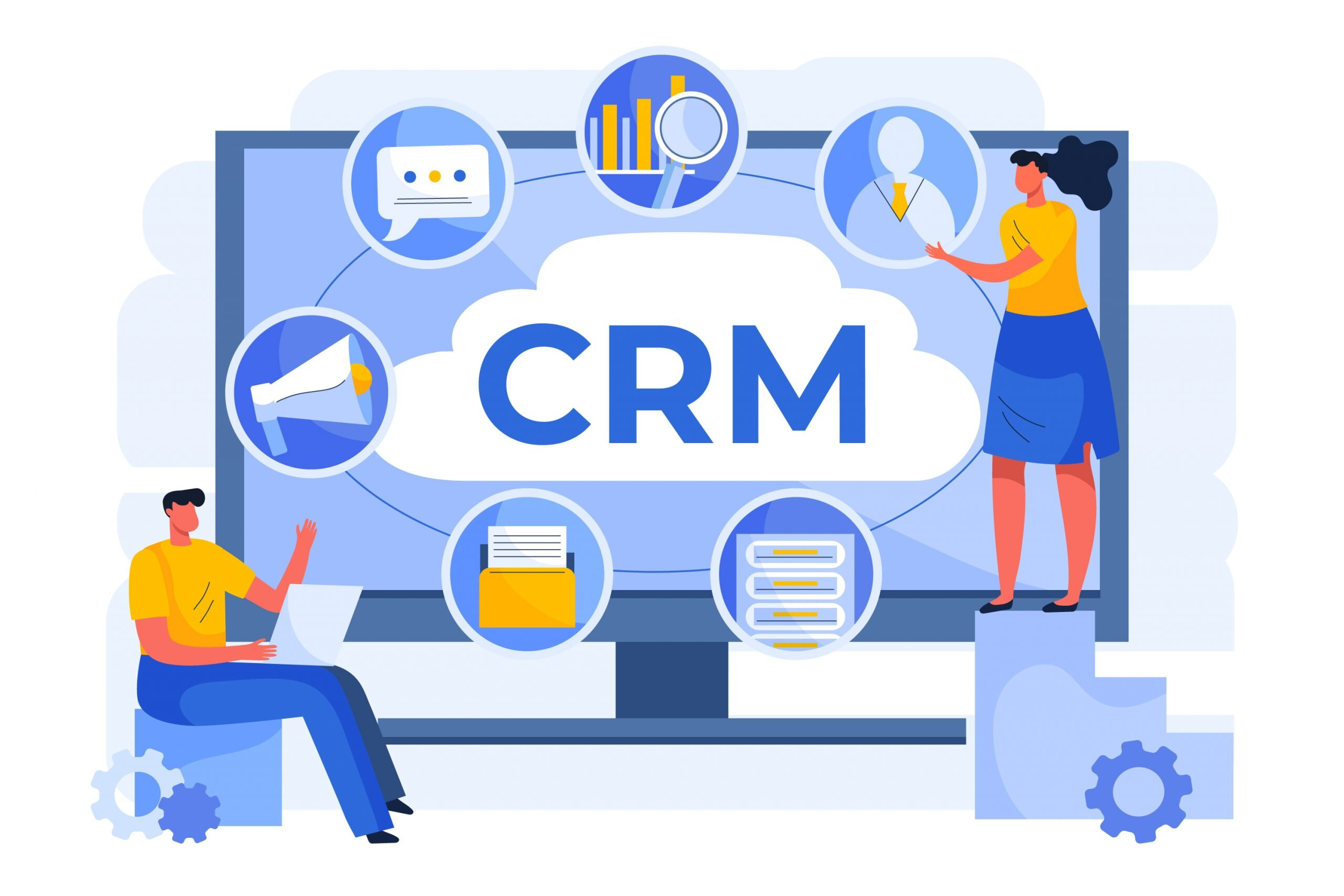
Are you considering becoming a CRM reseller? Whether you are already in the business or looking to break into the industry, there are numerous advantages to be gained. As a CRM reseller, you have the opportunity to tap into a growing market, establish long-term relationships with clients, and generate a recurring revenue stream. Additionally, you can leverage the expertise and support of the CRM provider to offer top-notch solutions to your customers. With the right strategy and commitment, becoming a CRM reseller can be a rewarding venture with great potential for success.
Understanding the Role of a CRM Reseller
When it comes to customer relationship management (CRM) systems, a CRM reseller plays a vital role in helping businesses find the right solution for their needs. CRM resellers are essentially third-party vendors who specialize in selling and implementing CRM software to businesses of all sizes. They act as a bridge between the CRM software provider and the end-user, providing expertise and guidance throughout the entire process.
One of the main responsibilities of a CRM reseller is to understand the unique requirements of each business and tailor the CRM solution to fit those specific needs. This involves conducting an in-depth analysis of the business processes, customer data, and goals to recommend the most suitable CRM software. By having a deep understanding of the CRM market and various software options available, CRM resellers can provide valuable insights and recommendations to help businesses make informed decisions.
In addition to recommending the right CRM software, CRM resellers also assist with the implementation and customization of the system. They work closely with the business to ensure a smooth transition to the new CRM software, providing training and support to help employees quickly adapt to the changes. By offering ongoing support and troubleshooting services, CRM resellers help businesses maximize the benefits of their CRM system and address any issues that may arise.
Furthermore, CRM resellers act as a trusted advisor to businesses, providing continuous guidance and support even after the initial implementation phase. They stay up to date with the latest CRM trends and updates, offering valuable insights and advice on how businesses can optimize their CRM system to improve customer relationships and drive growth. By building a long-term partnership with businesses, CRM resellers can help them stay competitive in today’s rapidly evolving market.
Overall, the role of a CRM reseller is crucial in helping businesses leverage CRM technology to streamline processes, improve customer relationships, and drive business success. With their expertise, resources, and dedication to customer satisfaction, CRM resellers play a vital role in empowering businesses to achieve their goals and stay ahead of the competition.
Benefits of Partnering with a CRM Reseller
When it comes to implementing a CRM system for your business, partnering with a CRM reseller can offer a multitude of benefits. Not only do CRM resellers have expertise in the field and a deep understanding of CRM software, but they also provide valuable support and guidance throughout the entire process. Here are some of the top benefits of partnering with a CRM reseller:
1. Expertise and Knowledge: CRM resellers are experts in their field and have extensive knowledge of CRM software. They can help you choose the right CRM system for your business based on your unique needs and objectives. With their expertise, they can also provide training and support to ensure that your team is fully equipped to use the CRM system effectively.
2. Customization and Integration: One of the key benefits of working with a CRM reseller is the ability to customize and integrate the CRM system to fit your specific requirements. CRM resellers can tailor the software to align with your business processes and workflows, ensuring that it meets your exact needs. They can also integrate the CRM system with other tools and platforms that you use in your business, such as marketing automation software or accounting systems. This level of customization and integration can help streamline your operations and improve overall efficiency.
3. Ongoing Support and Maintenance: Another advantage of partnering with a CRM reseller is the ongoing support and maintenance they provide. CRM resellers offer continuous support to address any issues or concerns that may arise with the CRM system. They can also provide regular updates and upgrades to ensure that your CRM system is always up-to-date and functioning at its best. This level of support can give you peace of mind knowing that your CRM system is in good hands and operating smoothly.
4. Cost-Effectiveness: Partnering with a CRM reseller can also be cost-effective in the long run. CRM resellers often offer competitive pricing and packages that can be more affordable than purchasing a CRM system outright. Additionally, the expertise and support that CRM resellers provide can help you maximize the value of your investment in a CRM system, making it a cost-effective solution for your business.
5. Strategic Guidance: Finally, CRM resellers can offer valuable strategic guidance to help you make the most of your CRM system. They can help you set goals and metrics for success, as well as provide insights and recommendations on how to optimize your use of the CRM system to drive business growth. With their expertise and industry knowledge, CRM resellers can be an invaluable resource for helping you achieve your business objectives.
Overall, partnering with a CRM reseller can offer a range of benefits that can help drive the success of your CRM implementation. From expertise and customization to ongoing support and strategic guidance, CRM resellers can be a valuable partner in helping you maximize the value of your CRM system for your business.
Choosing the Right CRM Reseller for Your Business
When it comes to selecting a CRM reseller for your business, it is crucial to choose a partner that aligns with your company’s goals and values. With so many options available in the market, it can be overwhelming to make the right choice. Here are some key factors to consider when choosing the right CRM reseller for your business:
1. Industry Experience: It is essential to partner with a CRM reseller that has experience working with businesses in your industry. They will have a better understanding of your unique needs and challenges, allowing them to provide tailored solutions that will help your business succeed. Ask for case studies or references from clients in similar industries to gauge their level of expertise.
2. Customization Capabilities: Every business is different, and a one-size-fits-all CRM solution may not meet your specific requirements. Look for a CRM reseller that offers customization capabilities to tailor the system to your business needs. This will ensure that the CRM solution aligns with your processes and workflows, increasing adoption rates and overall effectiveness.
3. Support and Training: Implementing a new CRM system can be a complex and challenging process. It is crucial to partner with a CRM reseller that offers comprehensive support and training services to help your team navigate the platform smoothly. Look for a reseller that provides on-site training, ongoing support, and a dedicated account manager to address any issues or questions that may arise.
4. Scalability: As your business grows, your CRM needs will evolve as well. Choose a CRM reseller that offers scalable solutions that can grow with your business. This will prevent the need for a costly system upgrade in the future and ensure that your CRM solution can adapt to your changing business requirements.
5. Integration Capabilities: Your CRM system should not exist in a silo but should seamlessly integrate with other business applications and systems. Look for a CRM reseller that offers integration capabilities with popular tools such as marketing automation platforms, accounting software, and e-commerce platforms. This will streamline your business processes and improve data accuracy across all systems.
By considering these factors when choosing a CRM reseller for your business, you can ensure that you partner with a company that understands your unique needs and can provide a tailored solution that will help your business thrive.
Tips for Successful CRM Reseller Relationships
Building a strong relationship with your CRM reseller is essential for the success of your business. Here are some tips to help you make the most of your partnership:
1. Communication is key: Keep the lines of communication open with your CRM reseller. Make sure you are clear about your needs and expectations, and don’t hesitate to ask questions or seek clarification when needed. Regular communication will help prevent misunderstandings and ensure that both parties are on the same page.
2. Be proactive: Take the initiative to reach out to your CRM reseller regularly. Share any feedback or suggestions you may have, as well as any issues or concerns that may arise. Being proactive about communication will show your reseller that you are committed to the partnership and eager to work together to find solutions.
3. Provide feedback: Constructive feedback is essential for improving the quality of the services provided by your CRM reseller. Don’t be afraid to share your thoughts on what is working well and what could be improved. Your input will help your reseller better understand your needs and make necessary adjustments to better serve your business.
4. Collaborate on solutions: One of the best ways to strengthen your relationship with your CRM reseller is to work together to find solutions to any challenges that may arise. Instead of placing blame or pointing fingers, approach problems as a team and brainstorm ideas for how to overcome them. By collaborating on solutions, you will not only resolve issues more effectively but also build trust and mutual respect between both parties.
5. Set clear expectations: Make sure you are both clear on what is expected from the partnership. Define your goals, objectives, and responsibilities upfront to avoid any confusion or misunderstandings down the line. Having clear expectations will help both parties stay on track and work towards a common purpose.
6. Show appreciation: Don’t forget to show your CRM reseller appreciation for their hard work and dedication. Recognize their efforts, acknowledge their contributions, and express gratitude for the value they bring to your business. A little appreciation can go a long way in strengthening your relationship and fostering a positive partnership.
By following these tips for successful CRM reseller relationships, you can build a strong and mutually beneficial partnership that will help drive the success of your business. Communication, proactivity, feedback, collaboration, clear expectations, and appreciation are key ingredients for a successful relationship with your CRM reseller.
The Future of CRM Reselling Industry
As the world becomes increasingly digital, the CRM reselling industry is set to see significant growth and changes in the coming years. With businesses recognizing the importance of managing customer relationships effectively, the demand for CRM solutions is on the rise. This presents a lucrative opportunity for CRM resellers to capitalize on the growing market.
One of the key trends shaping the future of the CRM reselling industry is the shift towards cloud-based CRM solutions. Cloud CRM offers several advantages over traditional on-premise systems, such as increased flexibility, scalability, and cost-effectiveness. As more businesses adopt cloud technology, CRM resellers will need to adapt to meet the evolving needs of their customers.
Another important trend to watch in the CRM reselling industry is the integration of artificial intelligence (AI) and machine learning capabilities into CRM systems. These technologies have the potential to revolutionize how businesses manage customer relationships by providing valuable insights and automating repetitive tasks. CRM resellers that can offer AI-powered solutions will have a competitive edge in the market.
Personalization is also expected to play a major role in the future of CRM reselling. Customers are increasingly demanding personalized experiences from businesses, and CRM systems can help companies deliver on this expectation. CRM resellers will need to focus on providing solutions that enable businesses to tailor their interactions with customers based on their preferences and behaviors.
Moreover, the importance of data security and compliance in CRM systems cannot be overstated. With the implementation of stringent data protection regulations such as GDPR, businesses are more conscious than ever about the security of their customer data. CRM resellers must ensure that their solutions are compliant with industry standards and provide robust security measures to address these concerns.
Finally, the future of CRM reselling will likely be shaped by advancements in technologies such as augmented reality (AR) and virtual reality (VR). These immersive technologies have the potential to transform how businesses engage with their customers and could lead to innovative applications in CRM systems. CRM resellers that can stay ahead of these trends and incorporate them into their offerings will be well-positioned for success in the evolving industry.