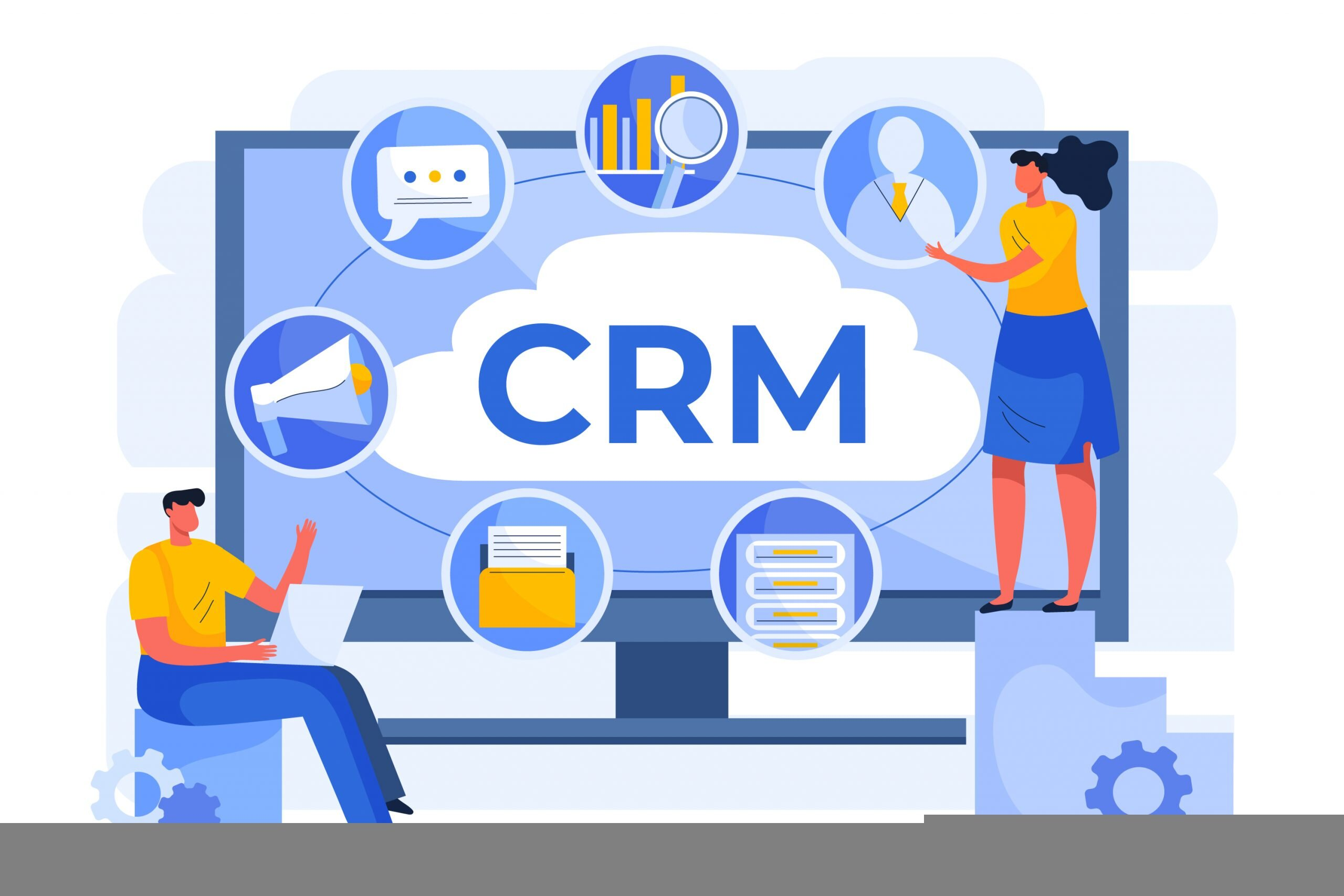
Best CRM Software for Accountants: Streamlining Client Relationships
Welcome, accountants! As professionals who manage financial records and advise clients on their monetary decisions, you understand the importance of maintaining strong client relationships. That’s where CRM (Customer Relationship Management) software comes in handy. By streamlining your client interactions, organizing data, and improving communication, the right CRM software can make your job much easier. In this article, we’ll explore some of the best CRM software options specifically tailored for accountants, helping you build and maintain successful client relationships effortlessly.
Introduction to CRM software for accountants
CRM stands for Customer Relationship Management, which is a software specifically designed to help businesses manage interactions with their customers and potential customers. While CRM software is often associated with sales and marketing departments, accountants can also benefit greatly from using CRM software in their daily operations.
Accountants are responsible for managing financial records, preparing tax returns, and providing financial advice to clients. With the help of CRM software, accountants can streamline their workflows, improve client communication, and enhance their overall productivity. CRM software allows accountants to track client interactions, manage appointments, and store important client information in one centralized database.
One of the key benefits of CRM software for accountants is the ability to track and monitor client relationships. By keeping track of client interactions and engagements, accountants can better understand their clients’ needs and preferences, allowing them to provide more personalized and tailored services. This can help accountants build stronger relationships with their clients, leading to increased client satisfaction and loyalty.
CRM software also helps accountants improve their efficiency and productivity. With features such as automated reminders, task management, and document storage, accountants can stay organized and on top of their workload. This not only helps accountants provide better services to their clients but also allows them to focus on more strategic tasks that can help grow their business.
Additionally, CRM software can provide accountants with valuable insights into their client base and business operations. By generating reports and analyzing data, accountants can identify trends, track performance metrics, and make data-driven decisions to drive their business forward. This can help accountants identify new business opportunities, forecast future trends, and optimize their business processes for maximum efficiency.
In conclusion, CRM software is a valuable tool for accountants looking to improve client relationships, streamline their workflows, and boost their productivity. By utilizing CRM software in their daily operations, accountants can enhance their services, better understand their clients’ needs, and ultimately grow their business. With the right CRM software in place, accountants can take their practice to the next level and achieve greater success in today’s competitive business landscape.
Key features to look for in CRM software for accountants
When it comes to choosing the best CRM software for accountants, there are several key features that you should look out for. These features are essential for ensuring that the software meets the specific needs and requirements of accountants. Here are some of the top features to consider:
1. Integration with accounting software: One of the most important features to look for in CRM software for accountants is seamless integration with accounting software such as QuickBooks or Xero. This integration allows accountants to easily access and update client financial information within the CRM system, eliminating the need for manual data entry and reducing the risk of errors. It also ensures that all client information is kept up-to-date and accurate, streamlining the accounting process.
2. Customizable reporting tools: Another essential feature to consider is customizable reporting tools. Accountants often need to generate detailed reports for clients regarding their financial status, tax liabilities, and other important information. A CRM system with customizable reporting tools allows accountants to create tailored reports that meet the specific needs of each client. This can help accountants provide better insights and analysis to their clients, leading to improved decision-making and financial management.
3. Secure data storage: Accountants deal with sensitive financial information on a daily basis, making data security a top priority. When choosing CRM software, it is crucial to look for a system that offers secure data storage options, such as encryption, regular backups, and user permissions. This ensures that client information remains confidential and protected from unauthorized access, reducing the risk of data breaches and compliance issues.
4. Task and project management: Accountants often juggle multiple clients and projects simultaneously, making task and project management features a valuable addition to CRM software. These features allow accountants to track deadlines, assign tasks to team members, and monitor project progress in real-time. By having all project-related information stored in one centralized system, accountants can improve efficiency, collaboration, and overall project management.
5. Mobile accessibility: In today’s fast-paced business environment, accountants need to access client information on-the-go. Therefore, it is important to choose CRM software that offers mobile accessibility through a dedicated app or a mobile-responsive platform. This allows accountants to view client data, respond to inquiries, and update information from any location, increasing productivity and responsiveness to client needs.
Overall, these key features are essential for accountants when selecting CRM software that best fits their specific requirements. By considering these features and conducting thorough research, accountants can find a CRM system that streamlines their workflows, enhances client relationships, and improves overall efficiency in their accounting practices.
Top CRM software options for accountants
Accountants play a crucial role in helping businesses manage their finances effectively. With the ever-increasing demands of clients and the need for efficient communication, it has become essential for accountants to invest in CRM software. Here are three top CRM software options that are specifically tailored for accountants:
1. QuickBooks Online: QuickBooks is a popular accounting software that also offers a CRM feature for accountants. The CRM tool allows accountants to easily manage client information, track communication, and schedule appointments. With QuickBooks Online, accountants can streamline their workflow and provide better service to their clients. The software also integrates seamlessly with other QuickBooks features, making it a comprehensive solution for accounting needs.
2. Sage Business Cloud Accounting: Sage is another well-known accounting software provider that offers a CRM solution for accountants. The software allows accountants to keep track of client details, manage tasks, and send invoices all in one place. Sage Business Cloud Accounting is designed to be user-friendly and customizable, making it a great option for accountants who want a CRM tool that meets their specific needs. Additionally, Sage offers excellent customer support, ensuring that accountants can get the help they need when using the software.
3. Zoho Books: Zoho Books is a cloud-based accounting software that also includes a CRM feature for accountants. The CRM tool allows accountants to manage client relationships, track interactions, and create detailed reports. With Zoho Books, accountants can access client information anytime, anywhere, making it easy to stay organized and up-to-date. The software also offers automation features, such as invoicing and payment reminders, to help accountants save time and focus on other important tasks. Overall, Zoho Books provides a comprehensive CRM solution for accountants looking to improve their client management processes.
Overall, investing in CRM software is a smart choice for accountants looking to streamline their workflow, improve client communication, and provide better service. By choosing one of these top CRM software options, accountants can effectively manage client relationships and grow their business successfully.
Benefits of using CRM software for accountants
CRM software has become an essential tool for accountants in today’s digital age. It offers numerous benefits that can streamline processes, improve efficiency, and enhance client relationships. Here are some of the key advantages of using CRM software for accountants:
1. Enhanced Organization: One of the primary benefits of CRM software for accountants is improved organization. With a centralized platform to store all client information, accountants can easily access and manage data such as contact details, financial records, and communication history. This can help accountants stay organized and ensure that no important information falls through the cracks.
2. Improved Efficiency: CRM software can automate various tasks that would otherwise be time-consuming for accountants. For instance, scheduling appointments, sending reminders, and tracking client interactions can all be automated with CRM software. This allows accountants to focus on more important tasks and spend less time on administrative duties.
3. Better Client Relationships: CRM software can also help accountants improve client relationships. By keeping track of client preferences, communication history, and important dates, accountants can personalize their interactions and provide better service. This can lead to increased client satisfaction and loyalty, ultimately benefiting the accountant’s bottom line.
4. Data Analysis and Reporting: Another significant benefit of using CRM software for accountants is the ability to analyze data and generate reports. CRM software can track key metrics such as client profitability, sales performance, and marketing effectiveness. Accountants can use this data to identify trends, make informed decisions, and create detailed reports for clients. This can help accountants provide valuable insights and recommendations to their clients, ultimately adding more value to their services.
In conclusion, CRM software offers a wide range of benefits for accountants, including enhanced organization, improved efficiency, better client relationships, and data analysis capabilities. By utilizing CRM software, accountants can work more effectively, provide better service to their clients, and ultimately grow their businesses.
How to successfully implement CRM software for accountants
Implementing CRM software for accountants can greatly improve efficiency and productivity in managing client relationships and financial data. By following these steps, you can ensure a successful implementation of CRM software for your accounting firm:
1. Define your goals and objectives: Before diving into CRM software, it is important to clearly define what you want to achieve with the implementation. Whether it’s streamlining communication with clients, tracking financial data more effectively, or improving client retention rates, having clear goals will help guide the implementation process.
2. Choose the right CRM software: There are many CRM software options available on the market, so it’s crucial to choose one that aligns with your firm’s specific needs and goals. Look for features such as integration with accounting software, customizable reporting tools, and user-friendly interface to ensure a seamless transition.
3. Train your team: One of the key factors in the successful implementation of CRM software is to provide adequate training to your team. Make sure everyone understands how to use the software effectively and efficiently. Consider holding training sessions, providing user manuals, and offering ongoing support to ensure that everyone is on the same page.
4. Customize the software to fit your firm’s needs: Every accounting firm is unique, so it’s important to customize the CRM software to fit your specific requirements. Whether it’s creating custom fields, setting up automated workflows, or integrating with other tools, tailor the software to streamline your processes and improve productivity.
5. Monitor and evaluate performance: Once the CRM software is up and running, it’s crucial to monitor its performance and evaluate its impact on your firm. Keep track of key metrics such as client satisfaction, client retention rates, and employee productivity to assess the software’s effectiveness. Use this data to make adjustments and improvements as needed to ensure continued success.
By following these steps, you can successfully implement CRM software for accountants and reap the benefits of improved efficiency, better client relationships, and increased productivity. With proper planning, training, and customization, CRM software can be a valuable tool for your accounting firm.